The Future of E-Commerce in 2026: Trends, AI, Automation & What’s Next
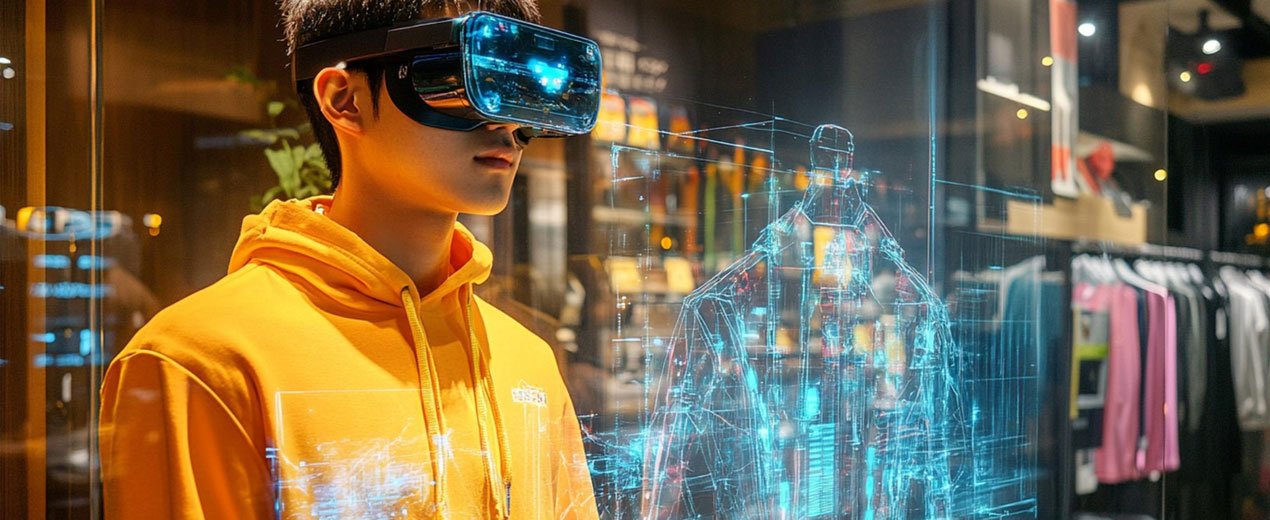
The world of e-commerce is undergoing a dramatic transformation. Rapid advancements in artificial intelligence (AI), automation, personalization, data analytics, and immersive digital experiences are reshaping how consumers shop and how businesses sell. As we step into 2026, e-commerce is no longer just about online transactions—it has become a fully integrated digital ecosystem focused on speed, personalization, convenience, and engagement.
Today’s consumers expect seamless shopping experiences across devices, hyper-personalized interactions, fast deliveries, and intuitive digital platforms. Businesses, on the other hand, must continuously innovate to stay competitive, reduce friction in buying journeys, and deliver superior value. This convergence of expectations and technology is pushing the e-commerce industry into a new era of innovation.
In this article, we explore the future of e-commerce in 2026, the emerging trends shaping the industry, the growing role of AI and automation, and what lies ahead for brands, retailers, and consumers.
The Evolving E-Commerce Landscape
E-commerce in 2026 is far more advanced than it was just a few years ago. The shift toward mobile-first shopping, omnichannel experiences, social commerce, and immersive digital platforms has accelerated. Consumers now expect convenience, personalization, transparency, and speed—all delivered through seamless digital experiences.
Traditional online stores have evolved into dynamic platforms that integrate AI-driven recommendations, predictive analytics, automation tools, and real-time engagement features. The emphasis is no longer on simply listing products but on delivering engaging, frictionless customer journeys.
Key drivers of this transformation include:
- Changing consumer behavior
- Rapid technological innovation
- Data-driven decision-making
- Increased competition
- Global accessibility
These factors are shaping a new era where businesses must adapt quickly or risk falling behind.
Key E-Commerce Trends Defining 2026
1. Hyper-Personalization
Personalization is no longer optional—it is essential. AI-powered recommendation engines analyze browsing patterns, purchase behavior, demographics, and user intent to create highly personalized product suggestions, offers, and content.
In 2026, hyper-personalization extends beyond simple product recommendations. Websites dynamically adapt layouts, messaging, pricing strategies, and promotions based on individual preferences. This approach increases engagement, boosts conversions, and strengthens brand loyalty.