Why Graphic Design Matters More Than Ever in the AI-Driven Digital Era
The digital world is evolving faster than ever, driven by artificial intelligence, automation, immersive technologies, and rapidly changing user expectations. In this highly competitive environment, graphic design has emerged as one of the most powerful tools for communication, branding, and business growth. While AI has transformed many aspects of content creation, graphic design continues to play a critical role in shaping perception, building trust, and driving engagement.
In 2026, businesses are no longer competing only on products or services — they are competing on experience, emotion, and visual storytelling. A strong visual identity is essential for standing out, building credibility, and creating meaningful connections with audiences. This is why graphic design matters more than ever in today’s AI-driven digital era.
This article explores the growing importance of graphic design, the impact of AI on visual creativity, key trends shaping modern design, and how businesses can leverage design to stay ahead.
The Evolution of Graphic Design in the Digital Age
Graphic design has come a long way from traditional print-based visuals to interactive, digital-first experiences. In earlier times, design was mainly focused on aesthetics and layout. Today, it integrates psychology, storytelling, branding, user experience, and digital strategy.
The rise of digital platforms, mobile devices, social media, and eCommerce has significantly expanded the scope of graphic design. Modern designers are expected to craft immersive visual experiences that guide users seamlessly across websites, apps, ads, and social channels.
With AI now automating repetitive tasks and generating visuals at scale, designers can focus more on strategy, creativity, and emotional impact — making design even more valuable.
Why Graphic Design Is More Important Than Ever
1. First Impressions Are Digital
In the digital era, your brand is often judged within seconds based on its visual appearance. Whether a visitor lands on your website, views a social media post, or opens a marketing email, the design instantly communicates professionalism, credibility, and brand quality.
A well-designed visual presence:
- Builds trust
- Enhances brand recall
- Creates emotional engagement
- Encourages user interaction
Without strong design, even the best content and products can go unnoticed.
2. Visual Content Dominates User Attention
With shrinking attention spans and information overload, visuals have become the most powerful way to capture interest. Infographics, videos, animations, and interactive designs outperform text-based content across platforms.
High-quality visuals help:
- Simplify complex ideas
- Communicate messages faster
- Increase retention
- Improve conversions
In a digital ecosystem where users scroll rapidly, impactful graphic design ensures your message stands out.
3. Branding in the Age of AI
AI tools can generate logos, layouts, and illustrations, but true branding requires emotional intelligence, cultural understanding, and strategic storytelling. Graphic designers shape brand identity by blending creativity with psychology.
Strong visual branding builds:
- Emotional connection
- Trust and loyalty
- Consistency across platforms
- Market differentiation
In an AI-driven environment, authentic brand visuals become even more valuable.
How AI Is Transforming Graphic Design
Artificial intelligence is not replacing designers — it is enhancing their capabilities. AI-powered tools help automate repetitive tasks, generate creative inspiration, optimize layouts, and personalize visuals at scale.
Key AI Contributions to Graphic Design
- Automated resizing for multiple platforms
- Smart color palette generation
- Predictive layout optimization
- AI-assisted image editing
- Content-driven visual suggestions
This allows designers to focus more on strategic thinking, storytelling, and innovation, rather than manual production work.
Graphic Design and User Experience (UX)

User experience design is deeply interconnected with graphic design. Visual hierarchy, typography, spacing, color psychology, and layout all shape how users interact with digital products.
Good graphic design ensures:
- Intuitive navigation
- Clear information flow
- Reduced bounce rates
- Improved engagement
- Higher conversion rates
In 2026, UX-driven graphic design is essential for delivering seamless and meaningful digital experiences.
Why Businesses Can’t Ignore Professional Design
Many businesses still underestimate the impact of professional graphic design. However, in a saturated digital marketplace, design has become a key differentiator.
High-quality design enables businesses to:
- Build credibility
- Establish authority
- Strengthen customer relationships
- Increase marketing ROI
- Improve brand recognition
Whether it’s websites, social media, presentations, advertisements, or product packaging — design shapes every customer touchpoint.
The Role of Graphic Design in Website Success
A website is often the primary digital asset for businesses. Visual design directly influences user behavior, engagement, and conversions.
Strategic graphic design ensures:
- Clean layout and structure
- Strong visual hierarchy
- Brand consistency
- Improved readability
- Enhanced usability
When paired with professional website designing services, graphic design transforms websites into powerful marketing tools that attract, engage, and convert users.
Importance of Visual Storytelling in Modern Marketing
Storytelling is no longer limited to words. Visual storytelling uses design elements to convey emotions, values, and brand narratives.
Through thoughtful graphic design, brands can:
- Communicate complex ideas simply
- Build emotional resonance
- Increase content memorability
- Enhance social sharing
In 2026, successful brands are those that tell compelling visual stories across all platforms.
Graphic Design in Social Media & Content Marketing
Social platforms are visual-first ecosystems. Posts with compelling visuals consistently outperform text-only updates.
Graphic design plays a critical role in:
- Increasing post engagement
- Strengthening brand identity
- Improving content visibility
- Enhancing storytelling
From Instagram posts to LinkedIn banners, professional design ensures consistent branding and higher interaction rates.
Key Graphic Design Trends in 2026
1. AI-Assisted Creative Design
Designers are increasingly using AI tools to enhance creativity, streamline workflows, and generate innovative concepts.
2. Motion Graphics & Micro-Animations
Subtle animations and transitions improve user experience and engagement across websites and apps.
3. Immersive 3D Design
3D visuals are being widely adopted in product showcases, websites, and branding.
4. Minimalism with Purpose
Clean layouts, bold typography, and focused visuals create clarity and improve usability.
5. Adaptive and Responsive Design
Designs are being optimized for seamless performance across all devices and screen sizes.
How Graphic Design Supports Business Growth
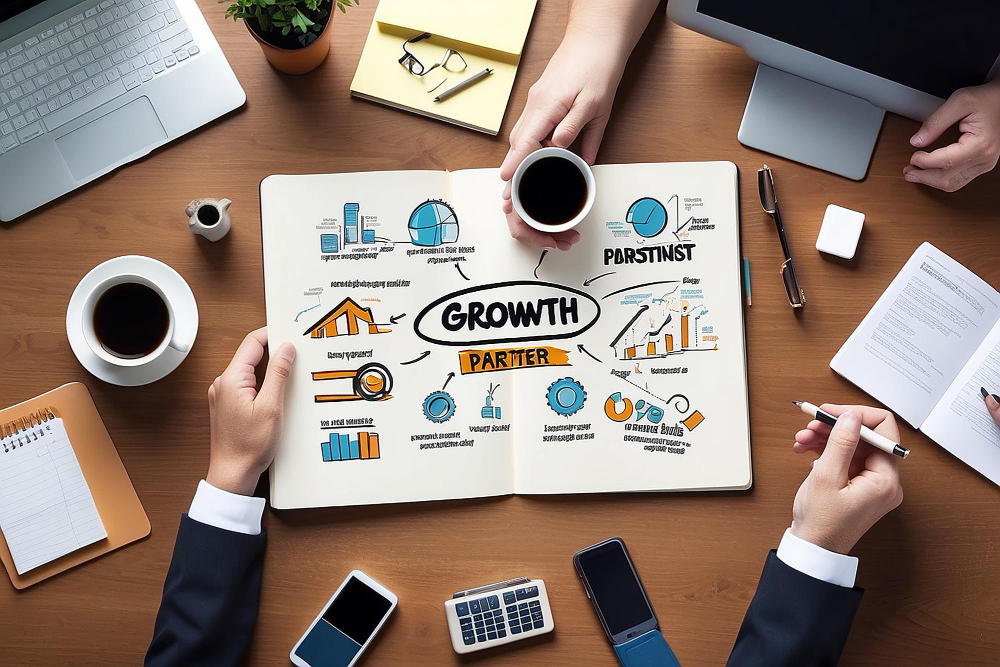
Graphic design is no longer a cost center — it is a growth driver.
Strategic design contributes to:
- Lead generation
- Customer acquisition
- Brand loyalty
- Market positioning
- Revenue growth
By aligning design with business objectives, brands can create impactful marketing strategies that deliver measurable results.
Why Professional Graphic Design Services Matter
DIY tools and templates may offer convenience, but they lack strategic depth and originality. Professional designers bring expertise, creativity, and market understanding that cannot be replicated by templates.
High-quality graphic design services in India offer businesses access to creative talent, strategic thinking, and global design standards at competitive costs, making professional design accessible for brands of all sizes.
The Intersection of Graphic Design and Web Development
Graphic design and development go hand in hand. A visually appealing design must also function seamlessly across platforms.
Effective collaboration between designers and developers ensures:
- Optimized performance
- Seamless responsiveness
- Faster load times
- Better accessibility
- Enhanced UX
This integration is crucial for creating high-performing digital products.
How Graphic Design Enhances Brand Trust
Trust is built through consistency, clarity, and professionalism. High-quality visual design reinforces these elements across all brand touchpoints.
Professional graphic design:
- Establishes authority
- Signals credibility
- Builds emotional connection
- Encourages loyalty
In the digital era, trust directly influences purchasing decisions.
Graphic Design in the Era of Personalization
Personalized visuals tailored to user preferences significantly increase engagement and conversions. AI-powered tools now enable dynamic visual personalization based on behavior, interests, and demographics.
This allows brands to:
- Deliver hyper-relevant content
- Increase customer satisfaction
- Strengthen engagement
- Improve conversion rates
Challenges Facing Graphic Designers in 2026
Despite technological advancements, designers face challenges such as:
- Balancing automation with creativity
- Maintaining originality
- Keeping up with evolving platforms
- Ensuring accessibility compliance
- Delivering consistent multi-platform designs
However, these challenges also create opportunities for innovation and skill development.
The Future of Graphic Design
The future of graphic design will be defined by the synergy between human creativity and artificial intelligence. Designers will increasingly act as creative strategists, focusing on storytelling, branding, and experience design while leveraging AI for execution efficiency.
Emerging trends such as virtual reality design, augmented reality branding, and immersive user experiences will further elevate the role of graphic design in digital ecosystems.
Conclusion
Graphic design matters more than ever in the AI-driven digital era because it shapes how brands are perceived, experienced, and remembered. As automation accelerates content creation, the true value lies in creativity, emotional intelligence, and strategic storytelling — areas where human designers excel.
By investing in professional graphic design, businesses can build powerful brand identities, create engaging digital experiences, and achieve long-term growth in an increasingly competitive market.
In 2026 and beyond, graphic design will remain a cornerstone of digital success, bridging technology and creativity to deliver meaningful connections between brands and audiences.