10 Clear Signs Your Website Needs a Redesign in 2026

Your website is more than a digital presence — it’s a business growth engine. In 2026, web technology, user expectations, and search engine algorithms have evolved faster than ever. What worked three years ago may now be stagnant, slow, or causing your business more harm than good.
A strategic redesign isn’t just about aesthetics — it’s about performance, conversions, credibility, and competitive advantage. In this article, we explore the ten unmistakable signs that your website is overdue for a redesign — and how updating it can help you stay ahead.
1. Your Website Looks Dated and Unprofessional
Web design aesthetics have evolved significantly. A site that looked “modern” in 2020 or even 2022 may now feel outdated, cluttered, or misaligned with current design standards. Users subconsciously judge your brand within milliseconds of landing on your homepage. If your visuals, layouts, or interface look old, visitors may infer that your business is outdated too.
Modern design today emphasizes:
- Clean, minimal layouts
- Strategic whitespace
- Bold typography
- Accessibility-first user experience
If your site feels like a time capsule, a redesign can help you showcase brand authority and professional credibility.
2. Your Website Is Not Mobile-Friendly
Mobile accounts for a majority of internet traffic worldwide. Google has long adopted mobile-first indexing, meaning it primarily evaluates your mobile site for search rankings. In 2026, this trend is stronger than ever.
If your website doesn’t resize content, adapt images, or provide intuitive navigation on mobile devices, users will leave quickly — driving up bounce rates and reducing conversions.
A responsive redesign ensures:
- Clean menus for touch navigation
- Optimized images for fast loading
- Readable text without zooming
- Clear calls to action on small screens
This directly impacts both SEO and user engagement.
3. Slow Page Load Speeds Frustrate Users
Website speed is no longer optional — it’s a critical ranking and performance factor. Users expect pages to load in two seconds or less. If your pages take longer, visitors leave before they even engage with your content.
Slow sites can occur due to:
- Unoptimized media (images, videos)
- Bloated code
- Outdated hosting infrastructure
- Too many unused plugins or scripts
A comprehensive redesign often includes performance optimization — compressing images, cleaning up code, enabling caching, and migrating to faster hosting — to ensure a frictionless user experience and improved SEO.
4. Your Website Isn’t Ranking in Search Engines

SEO isn’t just text and keywords — it’s technical structure, content architecture, and performance. If your website languishes on page 2 or lower of search results, foundational issues may be holding you back.
A strategic redesign improves:
- Heading structures and meta tags
- Site speed (ranking signal)
- Page organization and internal linking
- Mobile usability
- Schema markup for rich results
Investing in professional website redesign services in India (or elsewhere) can help you revamp these foundational elements for better search visibility.
5. High Bounce Rates and Low Conversions
Traffic alone doesn’t define success. If many users visit your site but few take action — like signing up, contacting you, or making a purchase — your website is not fulfilling its purpose.
This may signal:
- Poor content relevance
- Weak call-to-action (CTA) placement
- Confusing navigation
- Distracting layouts
A redesign puts user intent at the forefront — guiding visitors toward meaningful interactions that grow your business.
6. Your Site Is Not Secure or Up to Date
Security is vital for both users and search engines. Outdated content management systems (CMS), plugins, and backend frameworks can expose your site to malware, hacks, and performance failures.
A modern redesign ensures:
- Valid SSL certificates
- Updated CMS and plugins
- Firewall and malware protection integration
- Secure coding best practices
This not only protects your brand but also builds user trust — a silent conversion driver.
7. Your Business Has Changed But Your Website Hasn’t
As your business grows, your offerings, mission, and value proposition evolve. If your website still reflects an old version of your business, it can confuse or mislead visitors.
For example:
- New product lines not featured clearly
- Outdated service descriptions
- Branding that doesn’t align with current strategy
- Old testimonials or case studies
A redesign gives you the chance to realign your digital narrative with your current business goals.
8. Navigation and User Experience Are Confusing
Users want information quickly and easily. If they can’t find what they’re looking for within seconds, they’ll leave. This affects bounce rates, user satisfaction, and conversions.
Symptomatic issues include:
- Too many menu options
- Deep or illogical navigation paths
- Broken or confusing links
- Hidden search functionality
A thoughtful redesign simplifies navigation, streamlines user journeys, and leads visitors to conversion points naturally and intuitively.
9. Your Website Doesn’t Reflect Your Brand Identity
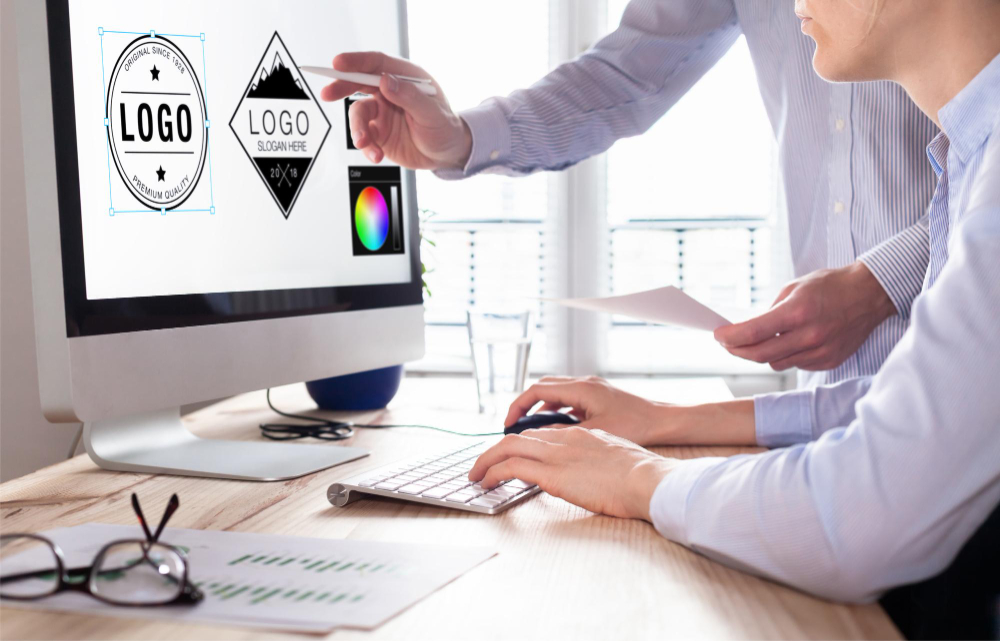
Your website is more than pages — it’s a brand ambassador. If your visual style, messaging, or tone doesn’t match your brand identity or audience expectations, you’re losing credibility.
A redesign gives you:
- A cohesive color palette and typography
- Updated messaging aligned with brand values
- Consistent voice across pages
- Visual storytelling that connects with users
This is especially important for B2B and enterprise brands where trust and professionalism directly impact buying decisions.
10. Competitors Are Outperforming You Online
User behavior is comparative — when visitors land on multiple websites in the same niche, they choose the one that feels modern, clear, and user-focused.
If competitors have:
- Faster sites
- Clearer navigation
- Better mobile experiences
- More engaging layouts
They’re gaining both search rankings and conversions at your expense.
A proactive redesign helps you close the gap and position your business as an industry leader, not a follower.
Redesign in 2026 Isn’t Optional — It’s Strategic
Website redesign isn’t just a facelift. Today, it’s strategic digital transformation that impacts:
- Search performance
- Brand authority
- User satisfaction
- Lead generation
- Conversions
In 2026, businesses that invest in intentional digital experiences — not just static brochure websites — are the ones that grow, adapt, and scale.
Whether you choose to work with website redesign services India or partner with a specialized website redesign company in India, prioritizing a redesign ensures your business remains relevant and effective online.
How to Prepare for a Successful Website Redesign
A redesign is more than updating visuals — it requires strategy. Before you begin, consider:
1. Conduct a Website Audit

Review:
- Traffic metrics
- User flow paths
- High bounce pages
- Conversion bottlenecks
This data defines your redesign priorities.
2. Define Clear Goals
Are you redesigning for:
- Better SEO?
- More conversions?
- Faster performance?
- Brand repositioning?
Clear goals guide design decisions.
3. Research Your Audience
Know what your users want, where they struggle, and how they interact with your current site.
4. Benchmark Competitors
Understanding the competitive landscape helps you craft differentiated experiences that win attention and trust.
5. Choose the Right Partner
A redesign with professional insight — whether internal or external — ensures your investment yields measurable returns.
Conclusion: Don’t Wait Until It’s Too Late
A website that fails in any of the ten areas above isn’t just underperforming — it’s costing you potential customers, revenue, and brand authority.
A well-executed redesign is not a luxury — it’s a business growth strategy.
If your website is showing any of these signs, now is the time to plan a transformation that aligns with modern design, user expectations, and business goals.
Your website should work for your business — not against it.